






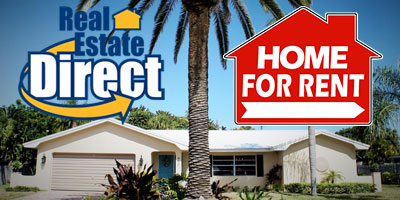

Managing a rental property in Florida’s Space Coast can feel like navigating a maze of shifting rules, especially when local ordinances change faster than you can update your lease agreements. For landlords and prospective owners, staying compliant isn’t just about avoiding fines; it’s about maintaining peace of mind and protecting your investment from unexpected legal hurdles that could disrupt cash flow or damage your reputation in the community.
Understanding brevard county rental regulations is the first step toward building a stable, profitable portfolio without the constant stress of compliance audits. This checklist breaks down the essential requirements for 2026, offering practical guidance for property managers and investors who want to streamline their operations while ensuring every unit meets current safety, licensing, and operational standards.
Overview of Brevard County’s Rental Regulatory Framework
Navigating the rental landscape in Brevard County requires more than just understanding state law; it demands a granular grasp of local ordinances that shift depending on where your property sits and how you intend to lease it. Unlike some jurisdictions with a single, unified housing code, Brevard operates as a patchwork of county-wide standards and distinct municipal rules. For landlords, this means compliance is not a one-size-fits-all checkbox but a layered process involving multiple agencies.
Understanding the Distinction Between Long-Term and Short-Term Leases
The most critical fork in the regulatory road is determining whether your property qualifies as long-term or short-term rental (STR). In Brevard County, the definition of "short-term" generally applies to leases under 30 days. This distinction triggers entirely different compliance pathways. Long-term rentals typically fall under standard residential zoning and state landlord-tenant laws, requiring basic habitability standards and proper lease agreements.
Conversely, short-term rentals face a much stricter regulatory environment. These properties often require specific business licenses, occupancy permits, and adherence to noise ordinances that do not apply to year-round tenants. Misclassifying a property can lead to significant fines or forced cessation of operations. For instance, a condo in a building that prohibits nightly rentals cannot legally operate as an Airbnb, regardless of the owner’s intent. Always verify your HOA covenants and local zoning codes before listing.
Key Municipal Variations: Melbourne, Palm Bay, and Cape Canaveral
While Brevard County sets baseline expectations, incorporated cities wield their own authority. This creates a complex web for owners with multiple properties. Melbourne, for example, has implemented stringent registration requirements for STRs, including mandatory inspections and parking validations. Palm Bay may have different noise enforcement protocols or distinct zoning overlays in certain neighborhoods. Cape Canaveral, heavily influenced by tourism and federal space operations, often enforces stricter safety and security measures due to its proximity to sensitive facilities.
Ignoring these brevard county rental regulations can result in immediate penalties. Landlords must treat each city’s code as a separate legal entity. Before signing a lease or listing a property, confirm which municipal jurisdiction governs the address and review their specific landlord handbook. Failure to do so is the most common cause of non-compliance for new investors.
Essential Permits and Licenses for 2026
Navigating the bureaucratic landscape of brevard county rental regulations begins with securing the correct permits before a single key is handed over. Missing even one requirement can result in fines or halted operations, so treat this phase as non-negotiable due diligence.
Obtaining the Certificate of Use (COU)
The Certificate of Use is your foundational document. It verifies that your property’s zoning aligns with its intended residential use. For most standard rentals, this process involves submitting an application to the Brevard County Planning Department along with proof of ownership and a site plan. If you are converting a single-family home into a multi-unit dwelling or adding accessory dwelling units (ADUs), expect a more rigorous review. Ensure your property meets current setback and parking requirements before applying; discrepancies here are the most common cause of delays. Once approved, the COU must be renewed annually, so mark your calendar to avoid lapses in compliance.
Business Tax Receipt Requirements
Often referred to locally as an "occupational license," the Business Tax Receipt (BTR) is mandatory for anyone renting out property for compensation. Whether you own one unit or fifty, you need this receipt to operate legally. Applications are processed through the Brevard County Clerk of the Court’s office. Be aware that fees vary based on your gross receipts and property type. For instance, short-term vacation rentals often face higher scrutiny and specific fee structures compared to long-term leases. Keep a digital copy of your active BTR handy; inspectors may request it during routine safety checks or noise complaint investigations.
Home Occupation Permits for Single-Family Homes
If you are renting out a portion of your primary residence, such as a basement suite or a separate cottage on the same lot, you likely need a Home Occupation Permit. This permit ensures that your rental activity does not negatively impact neighbors through increased traffic or noise. The application requires a detailed description of how the space will be used and often demands proof that utilities are properly metered or shared. Remember, this permit is distinct from your standard COU; failing to secure it can lead to citations for unauthorized business activity in a residential zone.
Tax Obligations and Financial Compliance
Managing rental income in Brevard County requires more than just collecting rent; it demands strict adherence to local tax structures that differ significantly from standard long-term leases. The most critical distinction lies in how you classify your tenancy, as this dictates your reporting obligations and the specific taxes you must remit.
Collecting and Remitting Tourist Development Taxes (TDT)
If you offer short-term rentals—typically defined as stays of 30 days or less—you are legally required to collect and remit the Tourist Development Tax (TDT). In Brevard County, this rate is generally 6%, though it can vary slightly depending on the specific municipality within the county. This tax applies to the total rental charge, including any mandatory fees for cleaning or parking that are bundled with the nightly rate. You must register as a transient rental provider with the Brevard County Tax Collector’s office before listing your property. Most successful landlords use third-party booking platforms that automatically calculate and collect TDT, but remember: the liability to remit those funds to the county remains yours. Failure to forward these collected taxes on time can result in immediate suspension of your rental permit.
State Sales Tax Considerations for Furnished Rentals
Florida’s sales tax rules for rentals can be nuanced. Generally, long-term residential leases (over 30 days) are exempt from state sales tax. However, if you provide a furnished home for short-term use, the entire rental amount is subject to the 6% Florida State Sales Tax in addition to the local TDT. It is crucial to distinguish between "furnished" and "unfurnished." If you rent out an unfurnished apartment on a month-to-month basis, sales tax does not apply. But if you list a fully equipped condo for a two-week vacation stay, you must collect both the state sales tax and the local TDT. Misclassifying these can lead to audits, so keep detailed records of lease durations and inventory lists.
Penalties for Non-Compliance in Tax Reporting
The financial risks of ignoring brevard county rental regulations regarding taxes are severe. The Brevard County Tax Collector imposes penalties for late filings and non-payment, which can include a 10% penalty plus interest accruing monthly. In cases of willful neglect or significant underreporting, the county may revoke your business tax receipt and short-term rental permit entirely. For property managers, this means implementing robust accounting software that tracks daily occupancy rates and automatically calculates tax liabilities. Regularly reconciling your platform payouts with your tax filings ensures you stay compliant and avoid costly disputes during an audit.
Safety, Zoning, and Property Standards
Compliance in Brevard County extends beyond paperwork; it requires strict adherence to physical safety codes and local zoning maps. Ignoring these standards can lead to immediate lease violations or costly fines from code enforcement.
Fire Safety Inspections and Carbon Monoxide Detector Laws
Florida law mandates specific safety hardware in all rental units, but Brevard County enforces this with particular rigor. Every dwelling unit must have at least one working smoke detector installed on each level, including basements, and outside every sleeping area. For landlords renting to long-term tenants, carbon monoxide detectors are required if the unit has fuel-burning appliances (like gas stoves or furnaces) or an attached garage.
Short-term rental operators face stricter scrutiny. Many municipalities within Brevard, such as Melbourne and Palm Bay, require annual fire safety inspections for vacation rentals. These inspections verify that you have the correct number of smoke detectors, carbon monoxide alarms, and clearly marked emergency exits. Keep your inspection certificates visible to inspectors; failing to produce them during a routine check can result in a suspended rental license.
Zoning Restrictions in Residential vs. Tourist Districts
Not every residential address is eligible for short-term rentals. Brevard County and its individual cities maintain distinct zoning overlays that dictate property use. In many traditional residential zones, operating a vacation rental is prohibited unless the owner resides on-site or holds a specific conditional use permit. Conversely, areas designated as tourist districts often have streamlined processes but may require higher insurance limits.
Before listing a property, verify its zoning classification via the local planning department’s online GIS map. A common pitfall for new landlords is assuming that because a neighbor operates an Airbnb, their property is automatically eligible. Zoning laws can change, and retroactive compliance is rarely granted.
Parking Requirements and HOA Compatibility
Parking is a frequent source of conflict between landlords, tenants, and neighbors. Most Brevard County municipalities require rental properties to provide adequate off-street parking for the number of bedrooms or registered vehicles. For short-term rentals, some cities mandate a minimum number of dedicated parking spaces per unit to prevent neighborhood congestion.
Furthermore, even if county zoning permits your rental type, your Homeowners Association (HOA) covenants may prohibit it entirely. Always review your HOA’s governing documents before signing a lease or listing agreement. An HOA violation can force you to cease operations regardless of municipal approval, leaving you liable for breach of contract with your tenant.
Operational Best Practices for Property Managers
Managing a rental portfolio in Brevard County requires more than just collecting rent; it demands proactive operational hygiene to stay ahead of enforcement actions and maintain high occupancy rates. The regulatory landscape is dense, making systematic management your best defense against costly fines and legal headaches.
Implementing Guest Screening and Noise Mitigation Protocols
Vacation rentals often face the brunt of community complaints, particularly regarding noise and parking. To mitigate this, integrate strict screening criteria into your booking platform. Require verified IDs and conduct background checks for long-term tenants to ensure reliability. For short-term stays, implement a "quiet hours" policy that is explicitly stated in pre-arrival communications and posted visibly within the unit. Consider installing decibel-monitoring devices in common areas (with clear disclosure) to objectively resolve disputes. If a guest violates noise ordinances, have a documented escalation plan ready: first a warning, then immediate eviction if necessary. This proactive stance demonstrates to neighbors and local authorities that you are a responsible operator committed to community harmony.
Documentation Retention and Audit Preparedness
Brevard County inspectors can request records with little notice. Maintain a digital archive of all critical documents for at least three years. This includes copies of your transient occupancy tax registration, annual property inspection certificates, insurance policies, and proof of payments for local taxes. Organize these files by property address and year for quick retrieval. Regularly audit your own compliance status against the latest brevard county rental regulations to identify gaps before an official inspection does. Keep a log of all maintenance requests and their resolutions; this paper trail is invaluable if a tenant claims neglect or if you need to prove habitability during a dispute.
Leveraging Local Property Management Expertise
Navigating the nuances of local zoning laws, short-term rental caps, and changing municipal codes can overwhelm even experienced landlords. Partnering with a property management firm that specializes in Brevard County ensures you have boots on the ground who understand the specific requirements of towns like Melbourne, Cocoa, or Palm Bay. Local experts can handle permit renewals, coordinate inspections, and provide real-time updates on legislative changes, allowing you to focus on scaling your portfolio rather than deciphering bureaucracy.
FAQ
What are the current Brevard County rental regulations for landlords?
Brevard County enforces strict short-term rental ordinances requiring all properties to register with the county. Landlords must obtain a business tax receipt, display their registration number in listings, and comply with noise and parking restrictions. Failure to register can result in significant fines or cease-and-desist orders, so verifying your property’s zoning eligibility before listing is essential for legal compliance.
Do I need a permit to rent out my home in Brevard County?
Yes, you must secure a Short-Term Rental Permit from the Brevard County Clerk of Courts. This process involves paying an annual fee and proving compliance with local safety codes. Operating without this permit violates county ordinances and can lead to heavy penalties. Ensure your property meets all zoning requirements before applying to avoid application rejections or delays in getting your rental operational.
Are there specific HOA rules affecting rentals in Brevard County?
Absolutely. Many Homeowners Associations (HOAs) in Brevard County impose stricter restrictions than county laws, including bans on short-term rentals entirely or minimum lease terms of six months. Always review your HOA’s covenants, conditions, and restrictions (CC&Rs) before listing. Ignoring these private contractual obligations can result in fines from the association, even if you comply with all county rental regulations.
What happens if I violate Brevard County rental laws?
Violations can trigger escalating penalties, starting with warning notices and progressing to substantial daily fines for each day the violation continues. Repeat offenders may face license revocation or legal action. The county actively monitors online listings for unregistered properties. To protect your investment, ensure you maintain valid permits, adhere to noise ordinances, and respond promptly to any compliance inquiries from county officials.
Conclusion
Navigating Brevard County rental regulations requires diligence, but staying compliant ultimately protects your investment and fosters positive tenant relationships. By keeping this checklist handy, you can ensure your property meets all local housing codes, safety standards, and licensing requirements for 2026. Remember that these rules are designed to maintain community standards while giving landlords clear guidelines to follow. A proactive approach minimizes legal risks and prevents costly penalties down the road. Take a moment this week to review your current lease agreements and property inspections against these updated local mandates. Ensuring compliance now saves you time, money, and stress later, allowing you to focus on what matters most: maintaining a thriving rental portfolio in Brevard County.
